
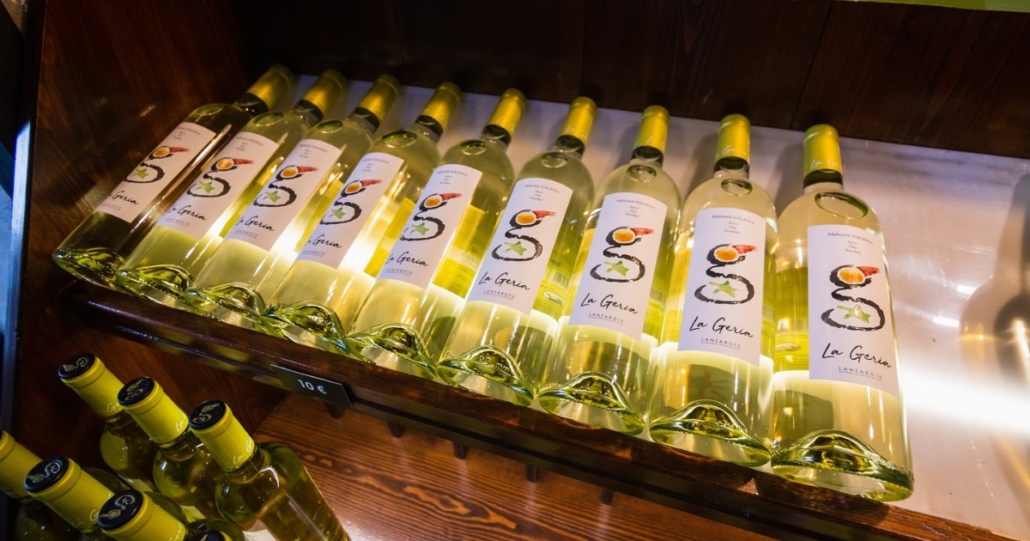
Lanzarote’s 2025 wine harvest is the lowest poorest of the century so far, with fewer than 600,000 kilogrammes likely to be gathered. Meanwhile, another serious threat has emerged on Tenerife.
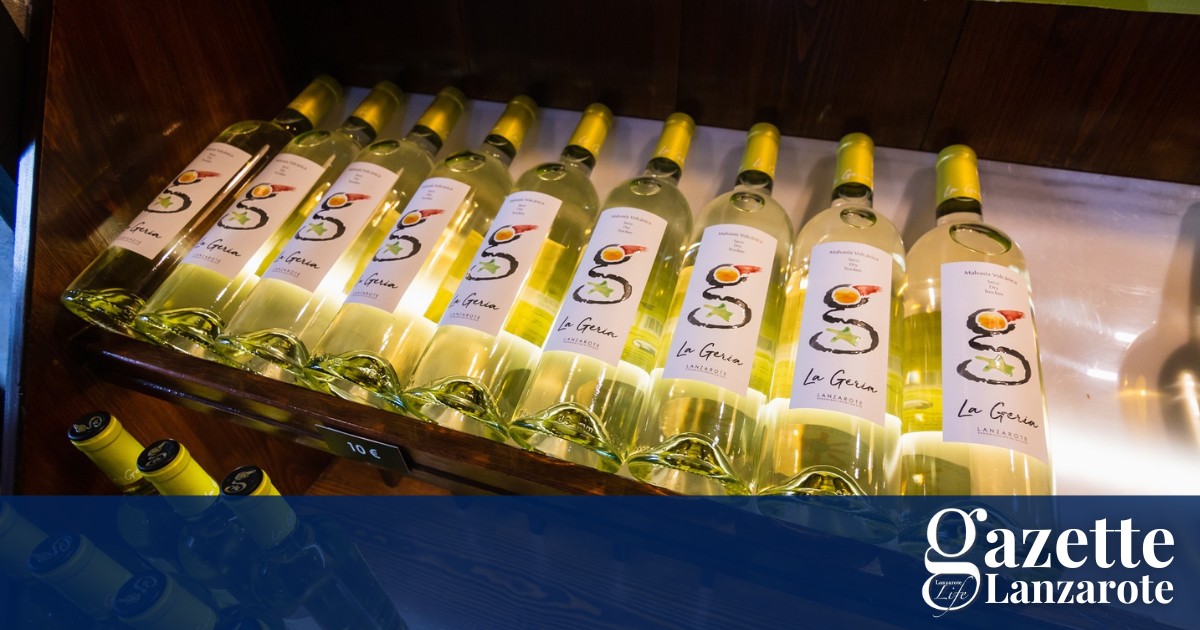
Lanzarote’s wines have been hugely successful in recent years, with consistently fine products, innovative new producers and high demand. But that demand is unlikely to be satisfied following this year’s meagre harvest.
At the time of writing it seems unlikely that more than 600,000 kilogrammes of grapes will be gathered. The previous lowest harvest was 695,000 kilogrammes in 2016, while the most productive year was 2018, when almost 4 million kilogrammes of grapes were picked.
According to Ramón Melián of Bodegas La Geria, the poor harvest is due to “the stress caused by the lack of water during recent years. This year the rains came a little late, almost in springtime. This, combined with a spring that was cooler than usual, meant that the vines didn’t bud well, there was limited flowering and a resultant lack of fruit.”
Lanzarote’s Wine Council also indicated the irregular budding of grapevines as a problem. When this happens, grapes reach ripeness at different times and cannot be collected all at once. As a result, producers have to choose whether it is worth spending more on labour costs (all grapes on Lanzarote are gathered by hand), or to sacrifice part of the crop.
The result of the poor harvest is that the average price of a kilogramme of Lanzarote’s malvasia volcánica grapes is likely to exceed €4, a level never seen before. This price increase is likely to raise the average price of a bottle, which is already between €10-€20.
Occasionally it is claimed that poor harvests result in better quality wine, as the vines have to “make more effort” to produce fruit, but this isn’t really borne out by evidence.
Each spring a selection of the previous season’s vintages are tasted by a panel of experts and allocated one of three ratings: “Excellent”, “Very Good” and just “Good”. On the six occasions that the wines were awarded the highest rating, harvests ranged from 700,000 kilogrammes to 3.1 million kilogrammes.
Canarian wine producers are also extremely nervous after the discovery of the phylloxera aphid in two vineyards in Tenerife. Phylloxera devastated Europe’s vines in the 19th century but never reached the Canaries, meaning that the grapes of the islands still grow on their original rootstock and were never grafted onto resistant roots from the Americas. Nevertheless, there was still celebration at last months wine fiesta at La Geria, as the grapes were harvested by workers in traditional dress, loaded onto camels, weighed and then trampled in a stone vat by excited tourists. The resulting grape juice isn’t used for wine, of course, but La Geria has plenty of fine bottles to offer – at least for the moment.


Leave a Reply
Want to join the discussion?Feel free to contribute!