
The Lanzarote Cabildo has confirmed that its next round of operating cost aid for livestock farms will again include the camel sector, reinforcing a long‑standing commitment to the island’s primary producers.
The support forms part of a wider package designed to raise public awareness of the role of camels in Lanzarote’s rural economy and heritage.
Oswaldo Betancort, president and Agriculture Councillor for the Cabildo, announced that the forecast for 2026 calls for an increase in aid to €600 per Large Livestock Unit (LLU). This figure exceeds previous years’ allocations and reflects the need to align public support with the real costs faced by farms. “This funding line has remained active as a direct tool to sustain livestock farming, including camel‑related activities, with continuous monitoring of its progress,” he explained.
Over the past three financial years, the Cabildo has allocated a total of €310,214 to the pack animal sector under this budget line. In 2023, nine pack animal handlers received grants totalling €112,360. The following year, the number of recipients rose to fourteen, with grants totalling €167,138. In 2025, eleven camel herders received aid totalling €30,716.
Betancort noted that “this upward revision helps strengthen the farms’ ability to cover their structural costs and maintain an activity that is part of the island.”
The president stressed that camel herding is woven into Lanzarote’s productive fabric and landscape, making it essential to maintain specific instruments that guarantee the sustainability of the activity. “The data show a consistent line of support, which is adjusted each year to the sector’s conditions and which, in 2026, takes a step forward in the intensity of the aid to ensure the continuity of the farms,” he said.
Alongside its financial measures, the Cabildo is developing a series of awareness‑raising actions focused on the Canarian camel. Educational initiatives for the general public have been created, highlighting the camel’s historical, cultural and productive value within the island’s ecosystem.
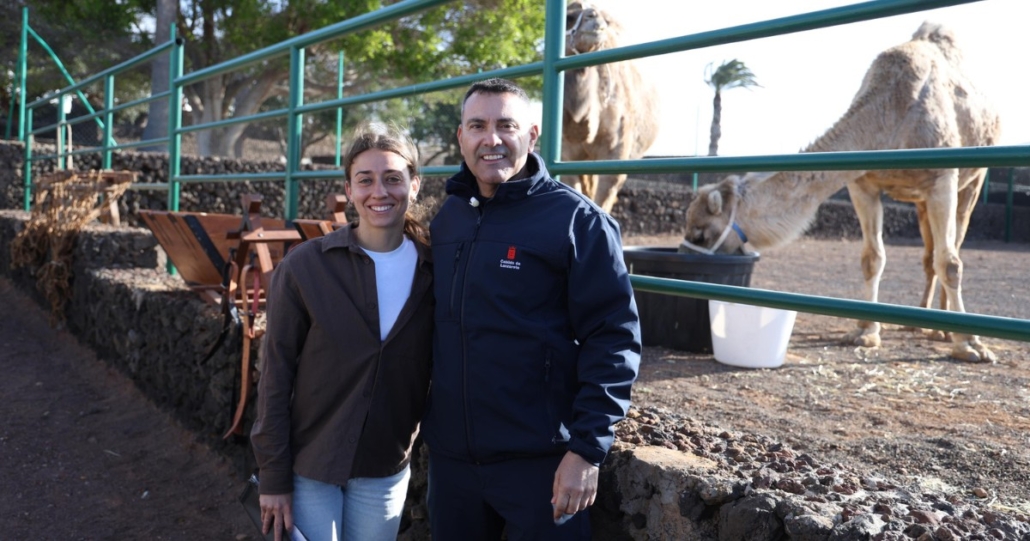
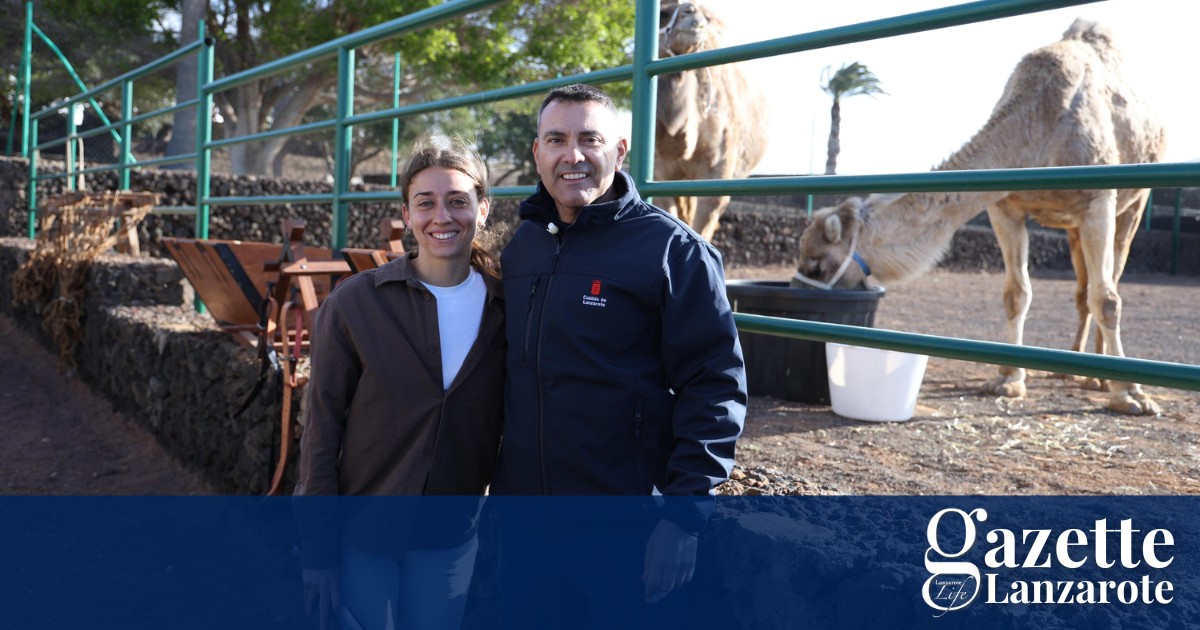
These include talks held at the Cabildo’s Experimental Farm, led by Carla Morales, a third‑generation member of a camel‑raising family. The discussions explored the evolution of the sector and its role in shaping the landscape. As Betancort observed, “the camel has been, alongside humans, a key element in the shaping of Lanzarote’s agricultural landscape, and its preservation also reflects that historical and territorial role.”





Leave a Reply
Want to join the discussion?Feel free to contribute!