

Ten years after the UK’s pivotal referendum, Brexit benefits remain debatable in the UK, but it’s safe to conclude that the vote has only resulted in hassle, expense and worry for Brits on Lanzarote.
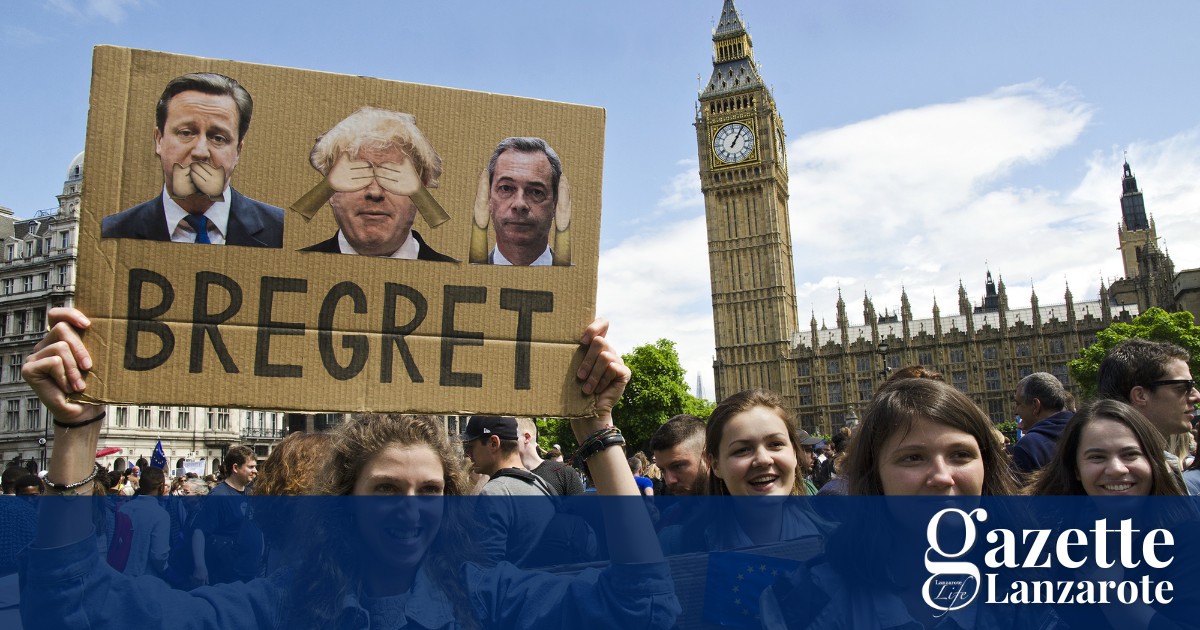
In the early hours of June 24th, 2016, the result was confirmed – the UK had elected to leave the European Union by a simple majority of 52%. Later that day, Prime Minister David Cameron handed in his resignation, and the UK entered a period of political instability which brought two general elections and a final withdrawal agreement that came into full effect on December 31st 2020.
On Lanzarote, the Brexit negotiations brought years of uncertainty and instability, as British residents worried about their future rights under the agreement and islanders assessed its possible impact on tourism.
However, ten years after the referendum, many things are now clear, and although Brexit may not have had the negative effects that many predicted, it can be safely said that Lanzarote has seen very few benefits.
Before Brexit, British nationals enjoyed the right to live and work in the EU. This meant that hundreds of current residents arrived on the island, found work while here and subsequently chose to stay. While the rights of those residents who lived in Spain before 2021 have largely been protected, new arrivals now find moving to Lanzarote much more difficult and expensive.
A sharp rise in residency applications following Brexit led to the British population on Lanzarote reaching 6,800 by 2022, but since then the trend has been downward, and in the three years from then until 2025, 10% of the British community on the island has since been lost.
Without the regular injection of younger families, workers and business-owners from the UK that free movement permitted, the likelihood for the future is that the island’s British community will slowly get older and continue to dwindle.
Brexit also increased red tape on UK exports, causing serious problems for local businesses that supply British goods to residents and tourists. Some survived, some didn’t (and the pandemic was no help), but problems have not been alleviated in any meaningful way.
Meanwhile, holiday home owners have been hard hit by the 90-day rule, which forbids non-EU visitors to spend more than 90 days out of 180 in the Schengen zone. This has had a serious effect on the “swallows”, who would winter on the island and return to the UK for summer.
Britons at European borders have also discovered that they are now in the same boat as other non-EU nationals. This has been most visible at the airport, where passport stamping and the introduction of EES machines have caused long queues and negative media coverage.
This could possibly affect tourism from the all-important British market, which has otherwise remained buoyant in recent years. But while it’s true that national and local authorities could have prepared for the post-Brexit situation better, many Brits are also aware that they wouldn’t be queueing if the 2016 vote had gone the other way.





Leave a Reply
Want to join the discussion?Feel free to contribute!