

The Lanzarote Cabildo has approved new regulations designed to improve taxi services in the island’s busiest transport hubs, marking the first comprehensive framework for so-called “Sensitive Areas” in more than 20 years.
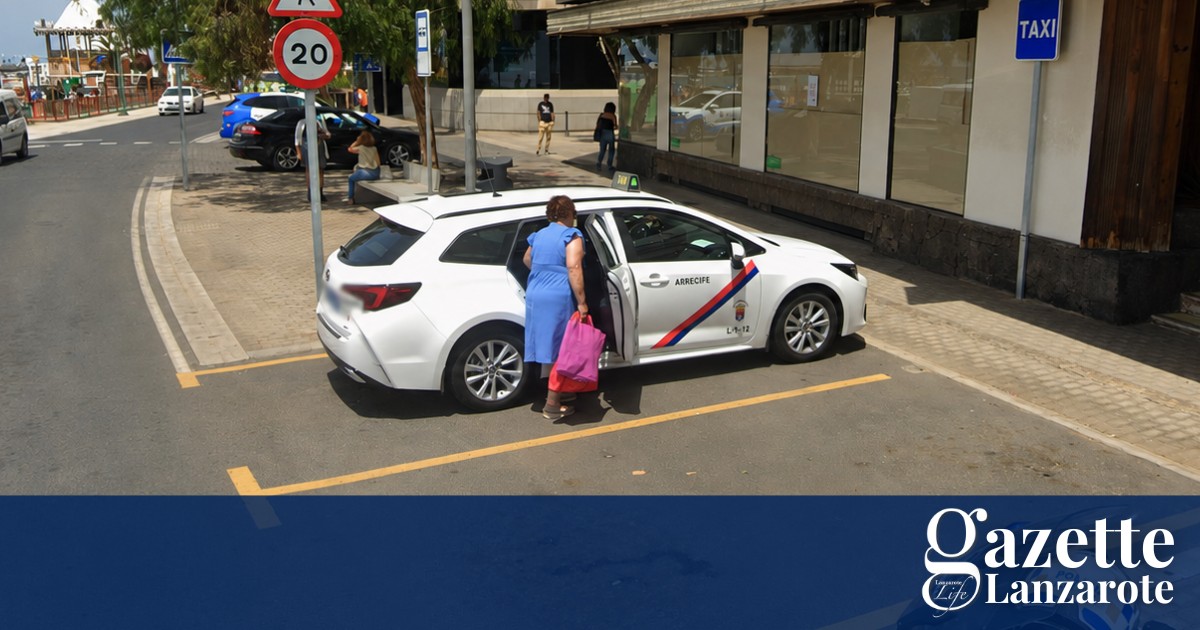
The regulations aim to ensure taxis are more readily available in locations where demand regularly exceeds supply. The move follows years of requests from the taxi sector, local authorities, and residents for a more coordinated approach to public transport.
Cabildo President Oswaldo Betancort described the regulations as an important milestone in modernising the island’s transport network.
He said Lanzarote has experienced significant growth in recent years, with transport infrastructure handling record passenger numbers. According to Betancort, the new rules will provide the planning, coordination, and legal certainty needed to maintain reliable taxi services during peak periods for both residents and visitors.
Lanzarote’s Airport welcomed more than 8.7 million passengers in 2024, while Arrecife’s Los Mármoles port handled over 600,000 travellers.
Airport and Port Named as First Sensitive Areas
Under the new framework, Lanzarote Airport and the Arrecife’s Los Mármoles port have been designated as the island’s first Sensitive Areas. The designation recognises their importance as major transport hubs and allows additional measures to be introduced when passenger demand is exceptionally high.
Flexible Taxi Support During Peak Demand
One of the key features of the regulations is the ability to temporarily authorise taxis from other municipalities to operate in designated Sensitive Areas when demand requires additional capacity. Any such measures must be supported by technical assessments and formally approved by the Cabildo.
The regulations also introduce new management and monitoring systems aimed at improving transparency and efficiency. These include the use of technology to manage services, mandatory adherence to official Canary Islands taxi fares, and the creation of a Monitoring Commission made up of representatives from public institutions, the taxi industry, and the wider community.
The Cabildo said the regulations were developed following consultation with affected municipalities, taxi associations, and passenger organisations, in line with regional legislation.
Island officials believe the new framework will strengthen public transport, improve passenger experience, and provide Lanzarote with a modern system capable of responding to growing mobility demands.









Leave a Reply
Want to join the discussion?Feel free to contribute!