
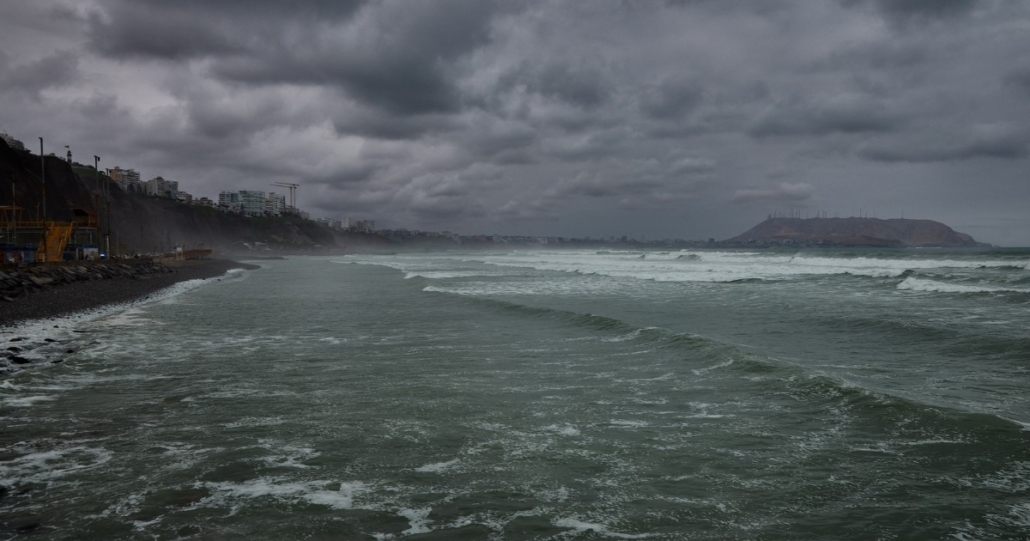
In recent weeks, warnings about the effect of the El Niño phenomenon have been widespread in the media, but how are the Canary Islands likely to be affected? The answer is more optimistic than you might expect.
El Niño is a natural process of warming in the Pacific Ocean that has occurred since records began in the 1600s, when Peruvian fishermen observed the phenomenon and named it after the Christ Child, because it occurred in the months around Christmas. El Niño occurs irregularly, at intervals of between two and ten years, and affects weather conditions around the world.
This year’s episode of El Niño is already advanced, and has been described as “particularly intense” by the World Meteorological Organisation and “unprecedented” by the UK’s Met Office.
El Niño is predicted to cause possible storms and heavy rain in north-west Europe, which has led to British government ministers advising citizens to keep “a few days” worth of food stocks and essential supplies to tide them over in the event of power cuts or floods.
However, 3,000 kilometres south in the Canary Islands, the probabilities are very different. Spain’s weather agency, AEMET, has often stated that the El Niño phenomenon has little effect on the nation’s weather, and spokesman José Luis Camacho has stated that it is difficult to make any predictions about how it will affect the Canary Islands.
However, AEMET has issued its prognosis for autumn 2026, which takes El Niño into account and predicts higher than average temperatures and a 40% possibility of a drier-than-usual season for the Canary Islands. Currently, experts cannot say with any confidence whether El Niño has any effect on calima conditions which bring airborne dust from the African continent.
Another important aspect of El Niño that may affect the islands is its documented effect on reducing Atlantic storms and hurricanes. The forecasts for the current hurricane season in the Atlantic already indicate that there are likely to be fewer of these extreme events this autumn.
This may be good news for many on the Canary Islands. Last winter a series of Atlantic storms brought the wettest, coolest winter that Lanzarote had experienced for many years. The unstable weather put a damper on many holidays and heavy seas contributed to several drownings on the islands.








Leave a Reply
Want to join the discussion?Feel free to contribute!